
How Long Does Alcohol Stay in Your System? What to Know for Recovery
When clients sit across from me and ask, “How long does alcohol stay in your system?”, I can feel the worry behind the question. Most people aren’t really asking for a scientific breakdown; they’re asking because they want reassurance. They want to know if their body will bounce back, if they can trust themselves again, and if recovery is still possible even after years of drinking.
Let’s talk about how alcohol moves through your body, what it means for your healing, and how you can support yourself while you rebuild your life.
What It Really Means When We Ask, “How Long Does Alcohol Stay in Your System?”

Most people ask this question because they’re worried about cravings, withdrawal, health, or how their drinking might affect their relationships. I hear versions of this question in almost every first session.
Here’s the simple truth: Your body starts clearing alcohol sooner than you think, but your healing takes longer, and that part is completely normal.
The physical traces of alcohol fade faster than the emotional and mental patterns it creates. That’s why recovery is more about your daily habits and support system than the exact number of hours alcohol stays in your body.
Clients often tell me they expect their body to bounce back overnight. But healing doesn’t work like that. Your body repairs itself in small steps, and those steps add up. The good news? I see people rebuild their strength, clarity, and peace every single day.
How Your Body Lets Go of Alcohol
I won’t go into scientific details here, but I will offer you a simple way to think about it:
Your body clears alcohol at a steady pace.
Some people feel the effects longer. Some shorter.
No two bodies process alcohol the same way.
Factors like sleep, stress, hydration, and even how fast you usually drink can shift things. But what matters most is this:
Your body wants to heal. It is built to recover.
Even if your drinking history feels heavy, your body is not working against you. I tell clients this often because shame can make you believe otherwise.
You may feel tired, moody, foggy, or dehydrated after drinking. These feelings don’t mean you ruined anything; they mean your system is trying to reset.
And it will.
This is supported by reporting from Yahoo News UK in the article “How Long Does Alcohol Stay in Your Body?”, which explains that alcohol leaves the system at a steady, time-dependent rate that can’t be rushed by sleep, coffee, or cold showers. Drawing on NHS guidance, the article notes that the average adult processes about one unit of alcohol per hour, meaning heavier drinking can linger well into the next day. Five pints of beer may take roughly 15 hours to clear. This helps explain why many people still feel off or uneasy after drinking, even when the alcohol is technically leaving the body, and why patience and gentle care matter during recovery
What I Tell Clients Who Are Worried About “Lingering Alcohol”
Many people worry that alcohol is still “in their system” long after it actually is. But what they’re really experiencing is the emotional after-effect of drinking things like guilt, anxiety, or worry.
You might feel shaky or uneasy. You might feel frustrated with yourself.
And that’s okay.
These feelings are part of the human side of recovery. They don’t reflect failure. They reflect awareness.
I’ve watched clients move from fear to confidence simply by talking honestly about how they feel after drinking. Once we name the fear, it loses its grip.
So if you’re worried something is “wrong” with you because you still feel off even after the alcohol clears, please breathe. Your body and mind are recalibrating, not breaking.
How Long Can Alcohol’s Effects Linger Emotionally
This part often surprises clients. Even when alcohol is no longer physically present, your emotions may still feel unsettled.
You may notice:
Mood swings
Irritability
Trouble sleeping
Cravings for relief
A sense of “blah” or flatness
This doesn’t mean your body hasn’t cleared the alcohol.
It means you’re adjusting.
This adjustment period is exactly why so many people step into recovery. They want more consistency, more clarity, and more stability. And those things come through daily support, not through guessing how long alcohol stays in your system.
How Families Can Understand This Step of the Journey
I often spend time helping family members understand the difference between physical and emotional recovery. They see their loved one sober for a day and expect the old self to return right away.
But the emotional fog takes time to lift.
If you’re a family member reading this, please remember:
Your loved one isn’t choosing irritability or flatness. They’re not distant because they don’t care. They’re adjusting to a body and mind that are learning how to function without alcohol.
Your presence matters more than your advice.
Sometimes the most supportive thing you can say is simply, “I’m here. We’ll take this one day at a time.”
How I Support Clients During Early Recovery
When someone begins this healing process, we focus on gentle, steady habits, not perfection. My goal is to help you reconnect with your body and emotions in a way that feels possible.
The practices we use are simple:
Drinking more water
Eating small, steady meals
Taking quiet breaks
Getting outside for fresh air
Building supportive routines
Talking through cravings honestly
These may sound basic, but these are the building blocks of a stable recovery. You don’t need to overhaul your entire life. You just need small, consistent steps that support healing each day.
And those steps can start right now.
The Part No One Talks About: Shame and Fear
I want to speak to the emotional side you may be experiencing.
Most people who ask, “How long does alcohol stay in your system?” are also asking themselves:
“Will people judge me?”
“Did I do damage?”
“Can I actually change?”
“Is it too late for me?”
If this is you, please hear me clearly:
It is never too late.
Your body recovers in ways you can’t always see in the moment. Your mind clears slowly but steadily. Your relationships can heal with honesty and patience.
Signs Your Body Is Resetting
People often worry that the signs of healing mean something is wrong. In truth, these signals show your system is recalibrating:
You feel thirstier
Your sleep pattern changes
Your mood shifts
You notice your thoughts more clearly
You feel emotions more intensely
These experiences are normal. And temporary.
Think of it like your body waking up again. Things feel louder at first, but only because your mind is becoming more aware.
Your system is learning how to feel without numbing. That’s healing, not failure.
A Message for Your Recovery Journey
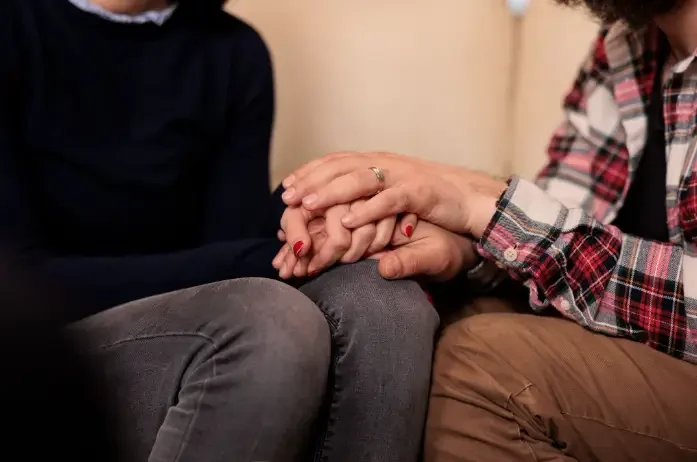
If you’re reading this because you’re scared or confused about how long alcohol stays in your system, I hope you can take a breath. You’re asking the right questions. You care about your health. You’re aware. And awareness is the first step of real change.
Recovery is not about punishment. It’s about connection. It’s about rebuilding trust with your body, your emotions, and the people you love. You don’t have to know every step right now. You just have to keep moving gently in the direction of healing.
If you or your family needs support, clarity, or guidance, I’m here. Visit Healing Family Addiction to connect with me. We can walk this path together slowly, steadily, and with compassion. Your story isn’t over. It’s beginning again.
FAQs
How long does your body need to fully recover from alcohol?
Recovery looks different for everyone. Some people feel better after a few days, while others need longer to feel balanced. What matters most is steady support and simple daily routines.
How long does it take to clear alcohol from your system?
Your body begins clearing alcohol sooner than you may expect. The physical part fades faster than the emotional part, and both are normal parts of the process.
What are the stages of alcohol recovery?
The stages usually feel like this: stopping drinking, adjusting emotionally, rebuilding routines, and strengthening long-term habits. Each stage moves at its own pace.
How to repair your body after heavy drinking?
Drink water, eat steady meals, rest, move your body gently, and give yourself time. Simple daily care supports healing more than anything dramatic.
Can the body repair damage from alcohol?
Yes, your body works hard to heal. With steady support, rest, and healthier habits, many areas of your body recover far more than people expect.